StarRupture Crafting Guide
Complete guide to mastering the crafting system, automation, and factory optimization
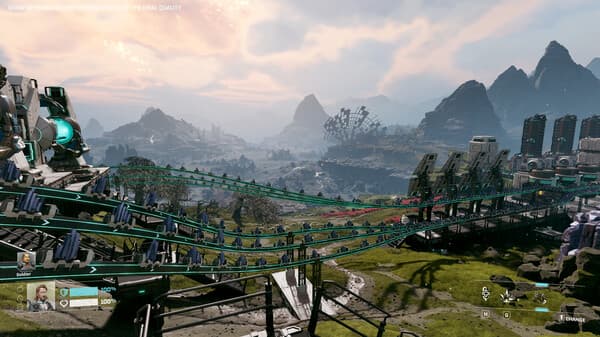
Crafting is one of the most important mechanics in StarRupture. Almost everything you need to survive and progress—tools, machines, power systems, and advanced technologies—comes from crafting.
This guide explains how the crafting system works, how to unlock new recipes, and how to build efficient automated production lines in the mid and late game.
Whether you are a beginner just starting your first base or an advanced player building massive factories, mastering crafting will dramatically improve your gameplay.
Crafting Basics
In the early stages of StarRupture, crafting is simple and mostly manual. Players collect raw resources and convert them into useful items through basic machines.
Common early resources include:
- Copper Ore
- Iron Ore
- Stone
- Carbon
These raw materials are processed into refined components such as ingots or plates, which are then used to craft tools, machines, and buildings.
The basic crafting process usually follows this pattern:
- Gather raw resources from the environment
- Process them into refined materials
- Use refined materials to craft items or machines
Example Production Chain:
Copper Ore → Copper Ingot → Electrical Components → Machines
Understanding this production chain is the key to progressing efficiently.
Smelting and Resource Processing
Smelting is the foundation of most crafting chains. Raw ores must be processed into ingots before they can be used in advanced recipes.
Typical smelting flow:
- Iron Ore → Iron Ingot
- Copper Ore → Copper Ingot
- Mixed Alloys → Advanced Metal Plates
A furnace or smelting machine converts raw ore into usable materials. In early gameplay you will likely operate these machines manually, but later you can automate them for continuous production.
Tips for efficient smelting:
- Build multiple furnaces early to avoid resource bottlenecks
- Place smelters close to mining areas
- Store processed materials in dedicated storage containers
- Always keep a buffer of common ingots like iron and copper
Players who build a stable smelting system early will progress much faster in the tech tree.
Crafting Machines and Production Chains
As you unlock more technology in StarRupture, crafting becomes more complex and powerful.
Instead of crafting items manually, you will rely on specialized machines such as:
- Assemblers
- Fabricators
- Chemical processors
- Power generators
These machines allow players to build full production chains.
Example production chain:
Mining Drill → Ore Transport → Furnace → Assembler → Final Product
For example, crafting advanced machinery might require multiple intermediate components:
Iron Ingot → Iron Plate → Mechanical Parts → Industrial Machine
Because recipes become more complicated, organization becomes extremely important.
Players should separate their factory into different zones:
- Mining area
- Smelting area
- Component production
- Final assembly
This structure makes expansion much easier later in the game.
Automation in Crafting
Automation is where the crafting system in StarRupture becomes truly powerful.
Instead of manually crafting items, automated systems allow machines to continuously produce materials.
Automation usually includes:
- Mining drills for automatic resource extraction
- Conveyor belts or transport systems
- Automated assemblers
- Power networks
Once a system is automated, resources move through the production chain without player interaction.
Example automated setup:
↓
Conveyor Belt
↓
Furnace
↓
Assembler
↓
Storage Container
This system allows players to produce hundreds of items while focusing on exploration or base expansion.
Automation also helps solve one of the biggest problems in crafting-heavy games: time. Instead of crafting items one by one, automated systems can produce materials constantly.
Power and Crafting Efficiency
Most advanced crafting machines require power. Without a reliable power supply, production will stop.
Common power sources include:
- Solar panels
- Fuel generators
- Advanced energy systems
Early bases usually rely on simple generators, but as production grows you should expand your energy network.
Tips for power management:
- Always produce more power than your factory requires
- Separate critical machines from optional production lines
- Use energy storage systems when possible
A stable power system ensures that automated crafting lines never stop running.
Best Crafting Tips for Beginners
Players new to StarRupture often struggle with crafting efficiency. These tips can help you progress faster.
Build Extra Production Capacity
Always build more machines than you think you need. Production bottlenecks slow down the entire factory.
Store Basic Materials
Keep large stockpiles of:
- Iron Ingots
- Copper Ingots
- Mechanical Parts
These components are used in many advanced recipes.
Expand Gradually
Instead of building one massive factory immediately, expand your crafting system step by step.
Start with: Basic smelting → Simple assembly → Automated production.
Organize Your Base
Separate different crafting processes into dedicated areas. This prevents resource congestion and makes upgrades easier later.
Advanced Crafting Strategy
In the late game, crafting becomes more about optimization than survival.
Advanced players focus on:
- Maximizing production speed
- Reducing resource waste
- Optimizing factory layout
Large automated factories can produce massive quantities of materials continuously.
With proper planning, your base can generate everything needed for advanced technology without manual crafting.
Final Thoughts
Crafting is the backbone of progression in StarRupture. Players who understand production chains, automation, and power management will advance through the game much faster.
By building efficient smelting systems, organizing production lines, and gradually automating your factory, you can turn a small survival base into a powerful industrial complex.
For more guides and detailed item information, explore our Items Wiki, Buildings Guide, and Technology Tree to master the game.